Nicolás Groppa
is an Argentinian-Spanish architect graduated from the University of Buenos Aires.
He developed his professional career in different architecture firms in Buenos Aires, mainly focusing on single-family residences in private neighborhoods and commercial buildings.
Additionally, he carried out consultancy tasks for municipalities across the country, including Villa La Angostura, NQ, San Martin, SJ, Exaltacion de la Cruz (BA), and San Antonio de Areco, BA.
In the academic environment, he is a professor of the undergraduate course "Cities to Build" and the postgraduate courses "Sister Cities" and "Cities for Children," all related to urban management. He also conducts scientific research within the UBACyT program at the University of Buenos Aires.
He is the author of the books "Villa La Angostura: Urbanistic Experiences," "CPA: Intervention Criteria for Urban Action," and co-author of the book "Border Landscape" in addition to having published a dozen papers.
He was awarded the CIN scholarship, the UBACyT scholarship, and his book "Villa La Angostura" was declared of cultural interest by the VLA county.
"Enclosing a portion of space to redefine its purpose, transforming it into a functional and cozy environment that enhances the quality of life for everyone who uses and inhabits it. That is what we, as professionals, have to offer to the world"
Nicolas Groppa - CPA Intervention Criteria for an Urban Development Project
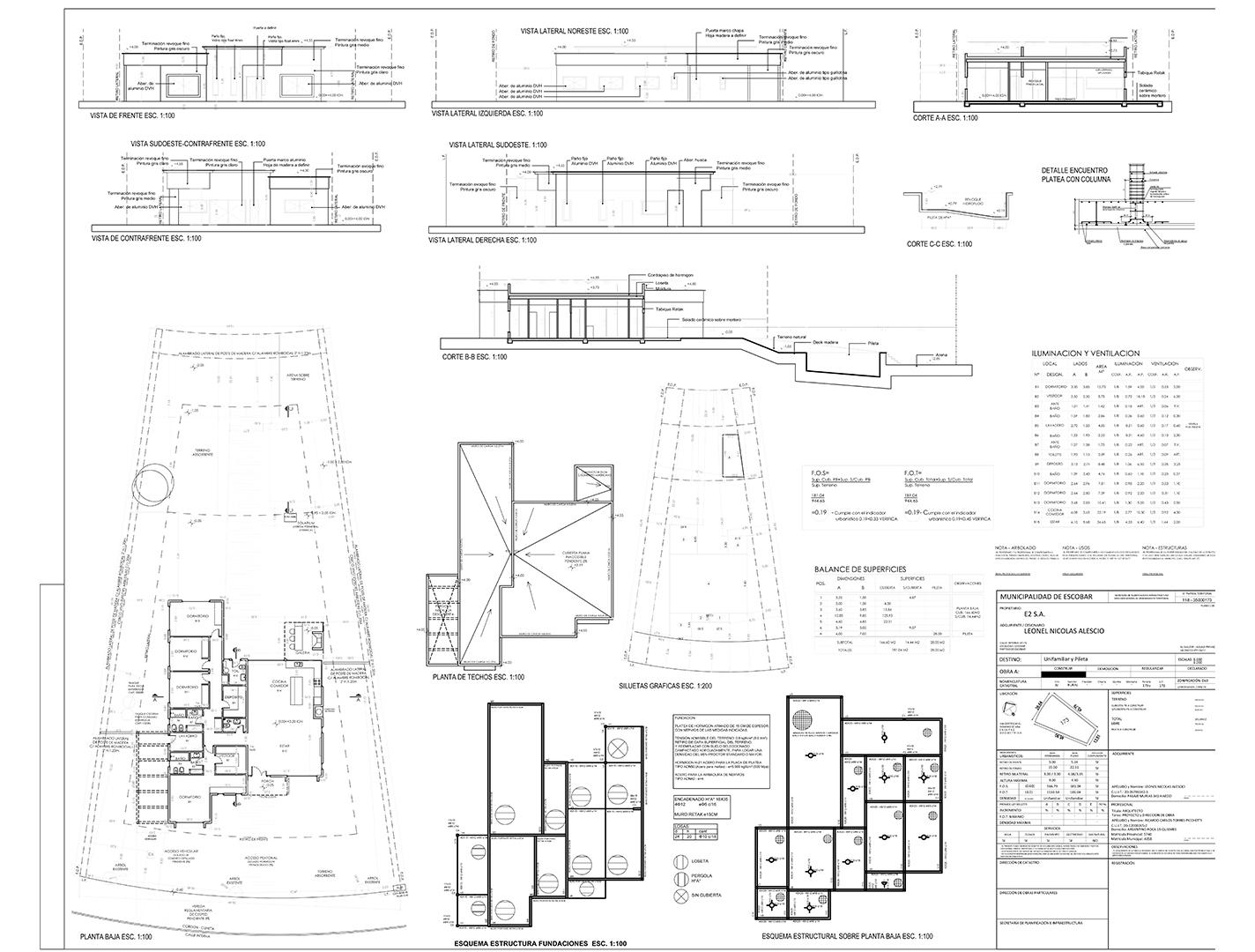
Architecture
With half a decade of experience in architecture, Nicolás has worked on preliminary sketches, conceptual design, documentation, and project management. His buildings, characterized by contemporary aesthetics and a strong presence of mathematical and geometric elements, stand out for their spatial and economic rationalism, multifunctional design, integration of sociology and psychology into architecture, and consideration of age-related needs.
Urbanism
He thinks of the city as a platform for agreement and interaction among multiple actors, where a variety of territorial, social, and cultural dimensions are at play. In this sense, he works on territorial development plans and intervention proposals that emphasize the interaction between actors, paying special attention to the governance qualities of each territory, with the aim of creating economically, socially and politically viable projects.
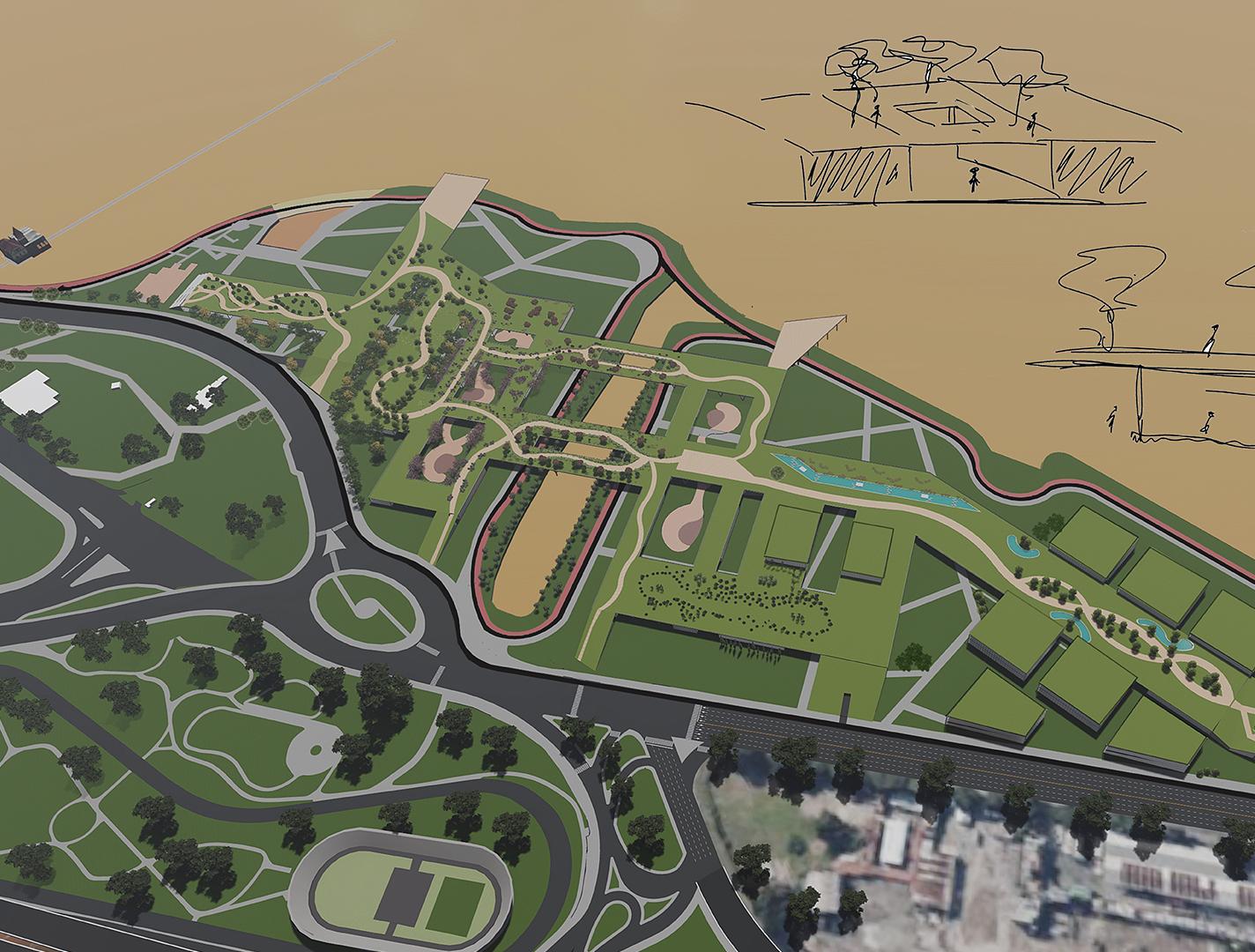
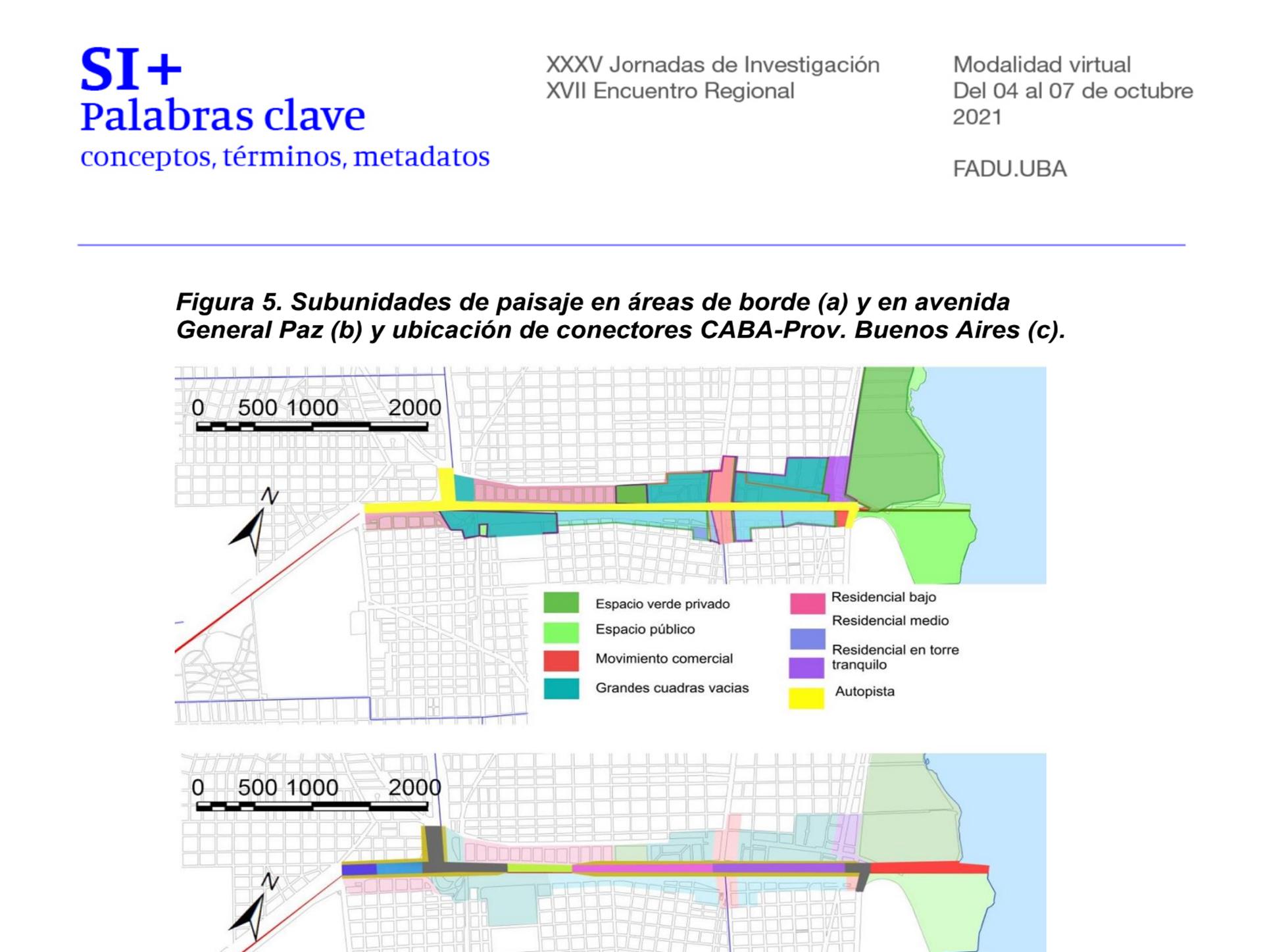
Research
He conducts scientific research in the field of urban planning and management, within the realm of habitat sciences. He has worked on various projects addressing the right to use the city, fair access to housing, urban economics, collective identity, and city management. He disseminates the knowledge generated through conferences, papers, books and teaching.
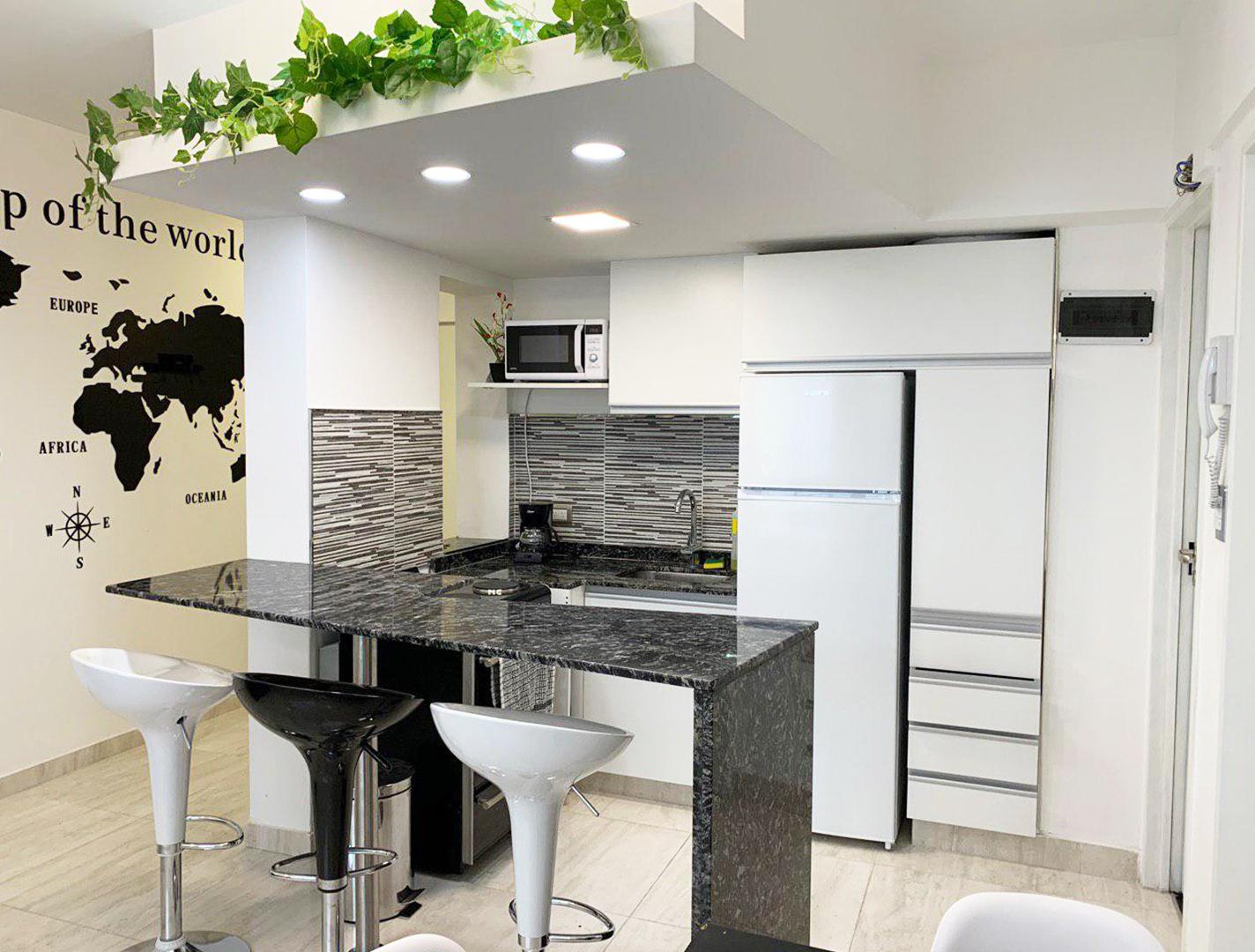
Project Paraguay
Transforming small spaces into cozy, enriching environments, ensuring that every square inch contributes to a high-quality living experience.
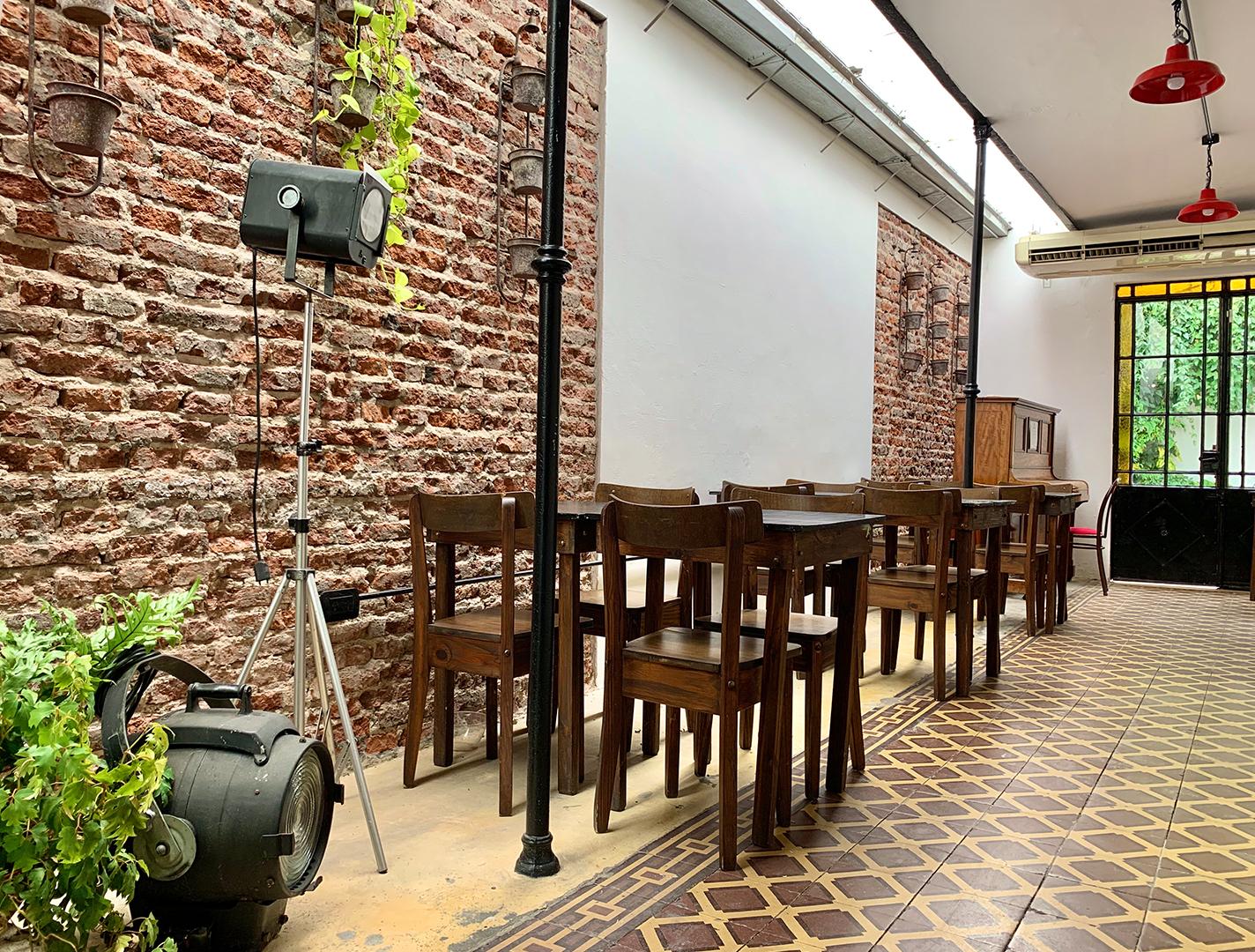
Project Actuarte
Creating a sense of community and promoting art while highlighting heritage in public and cultural spaces.