.
.
Esteban Echeverria
Project
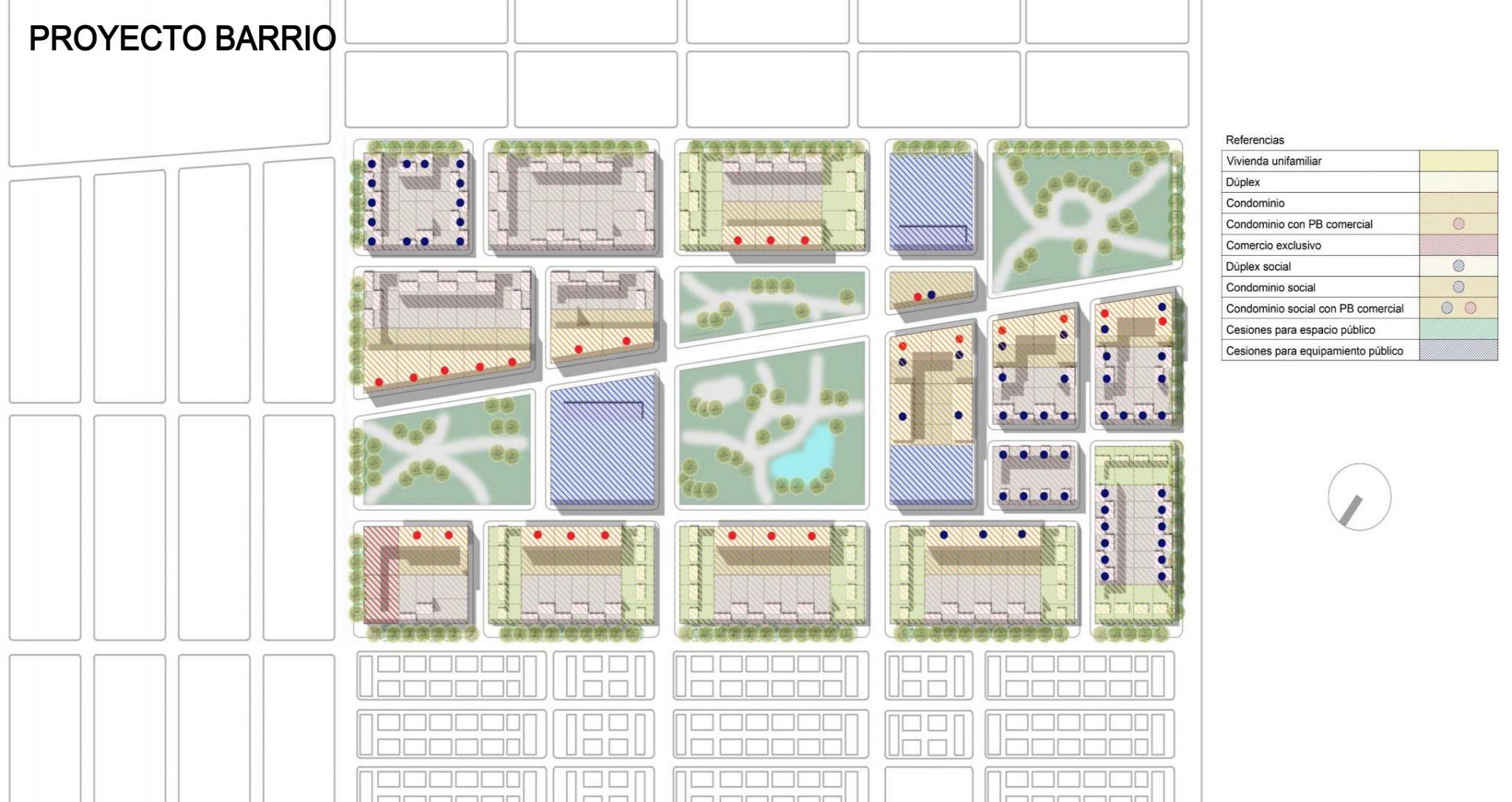
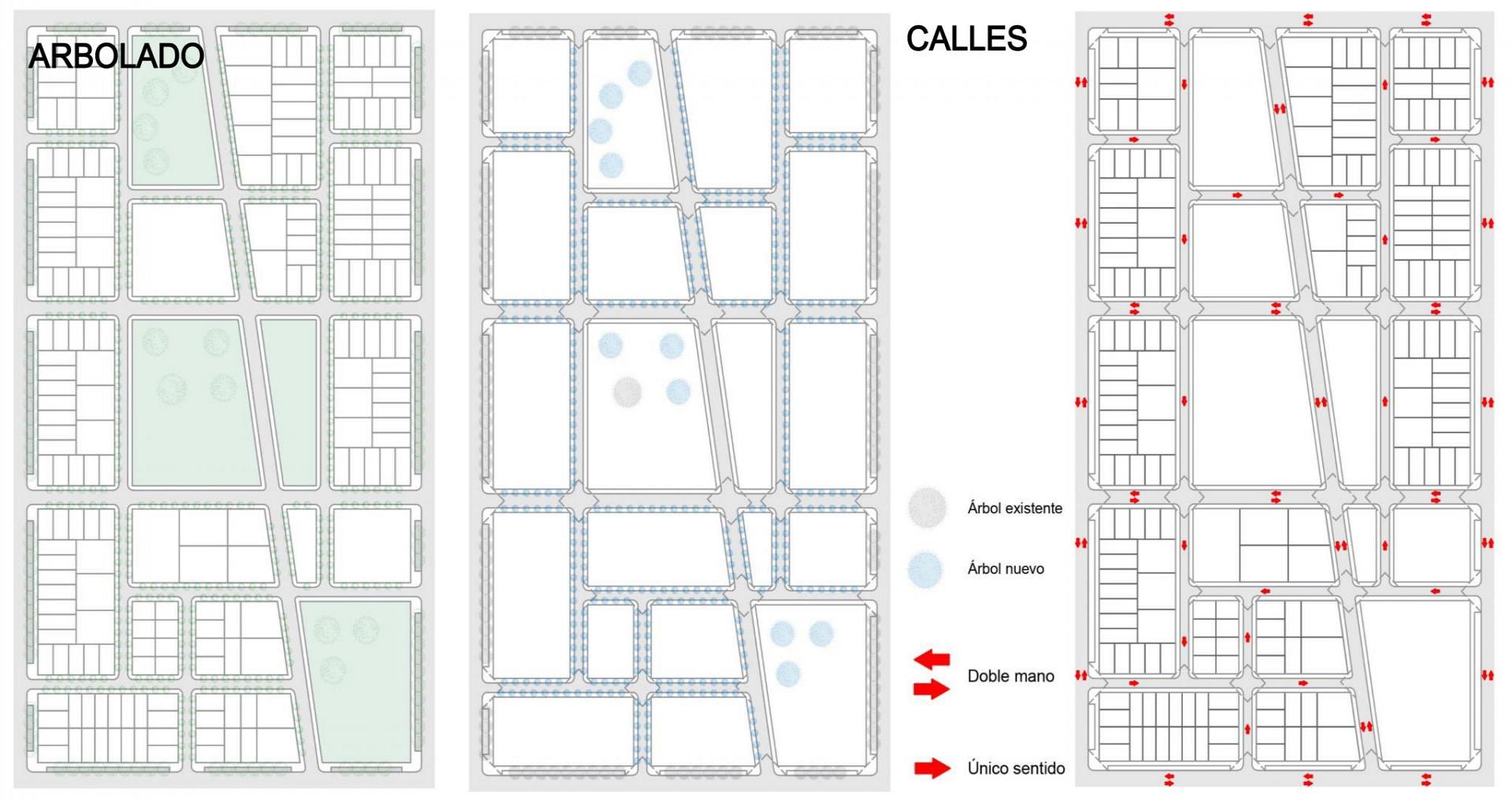
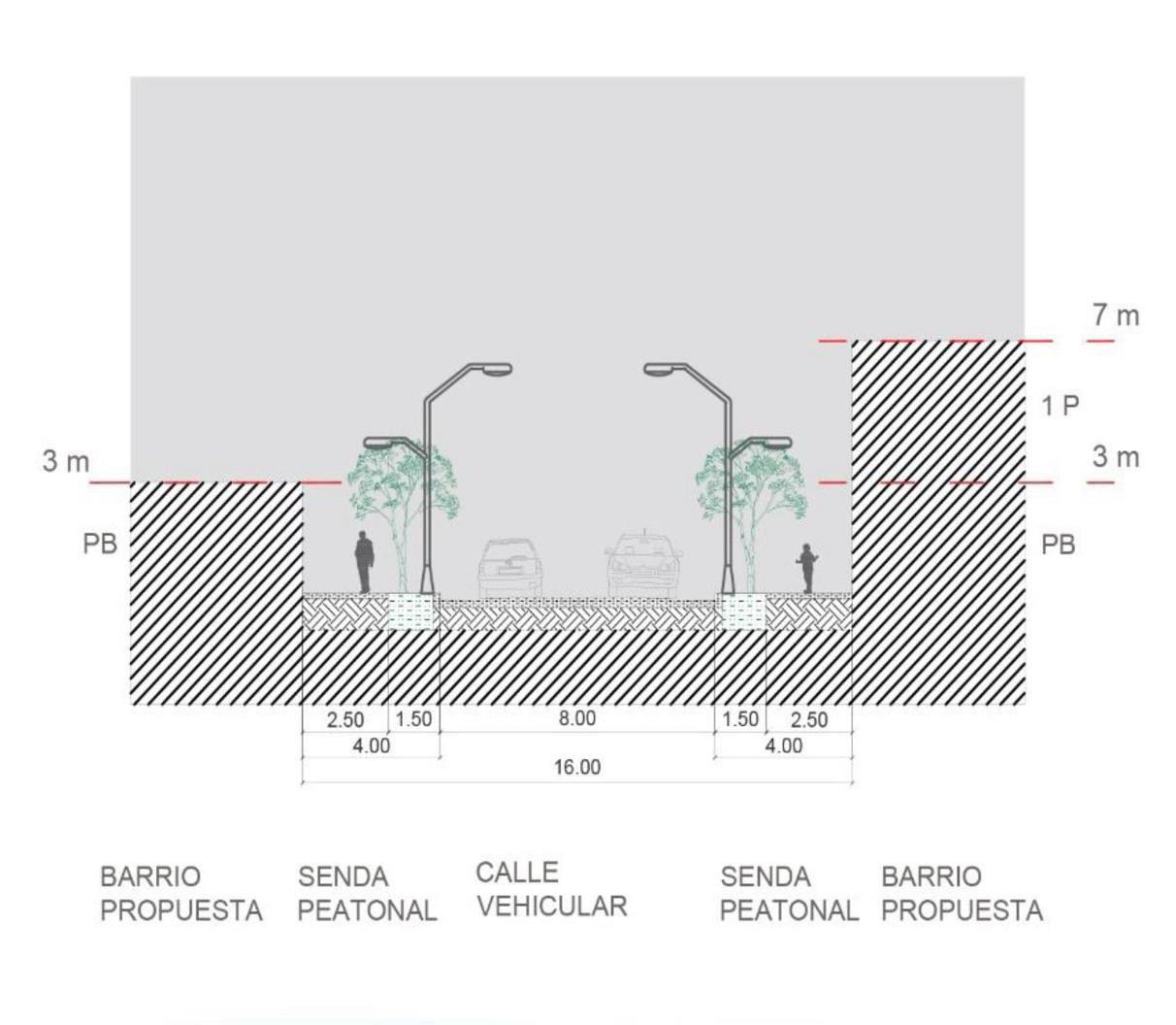
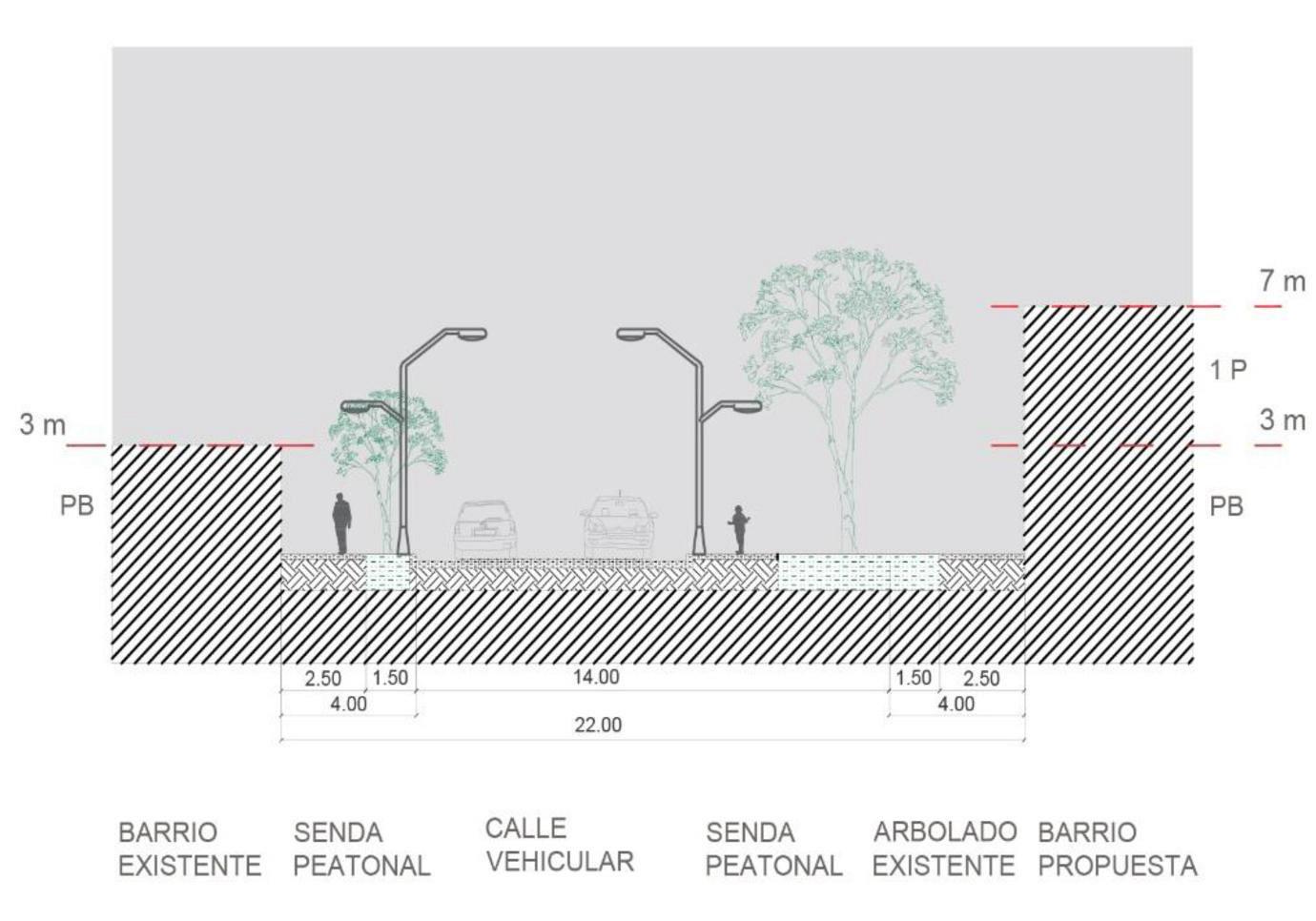
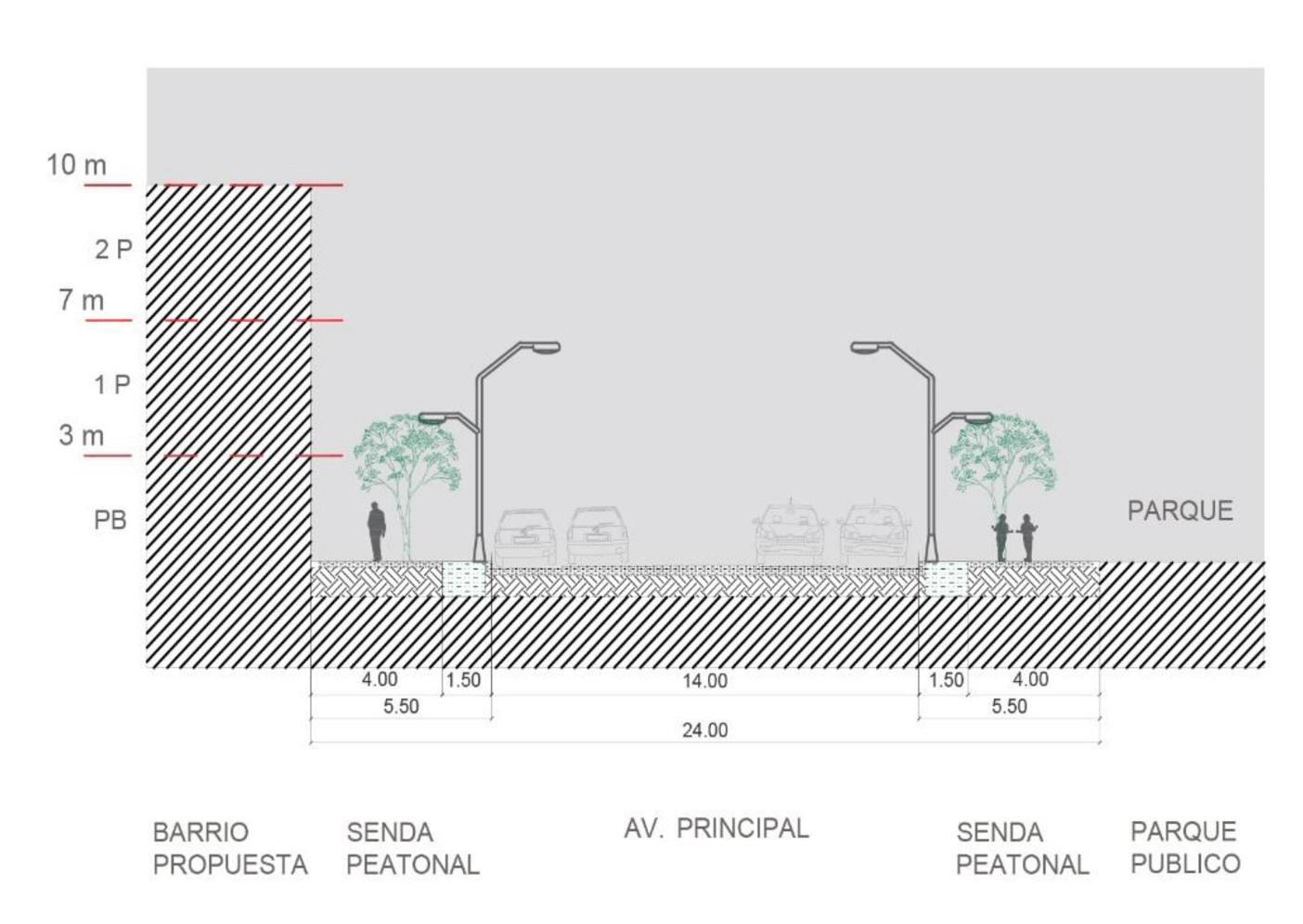
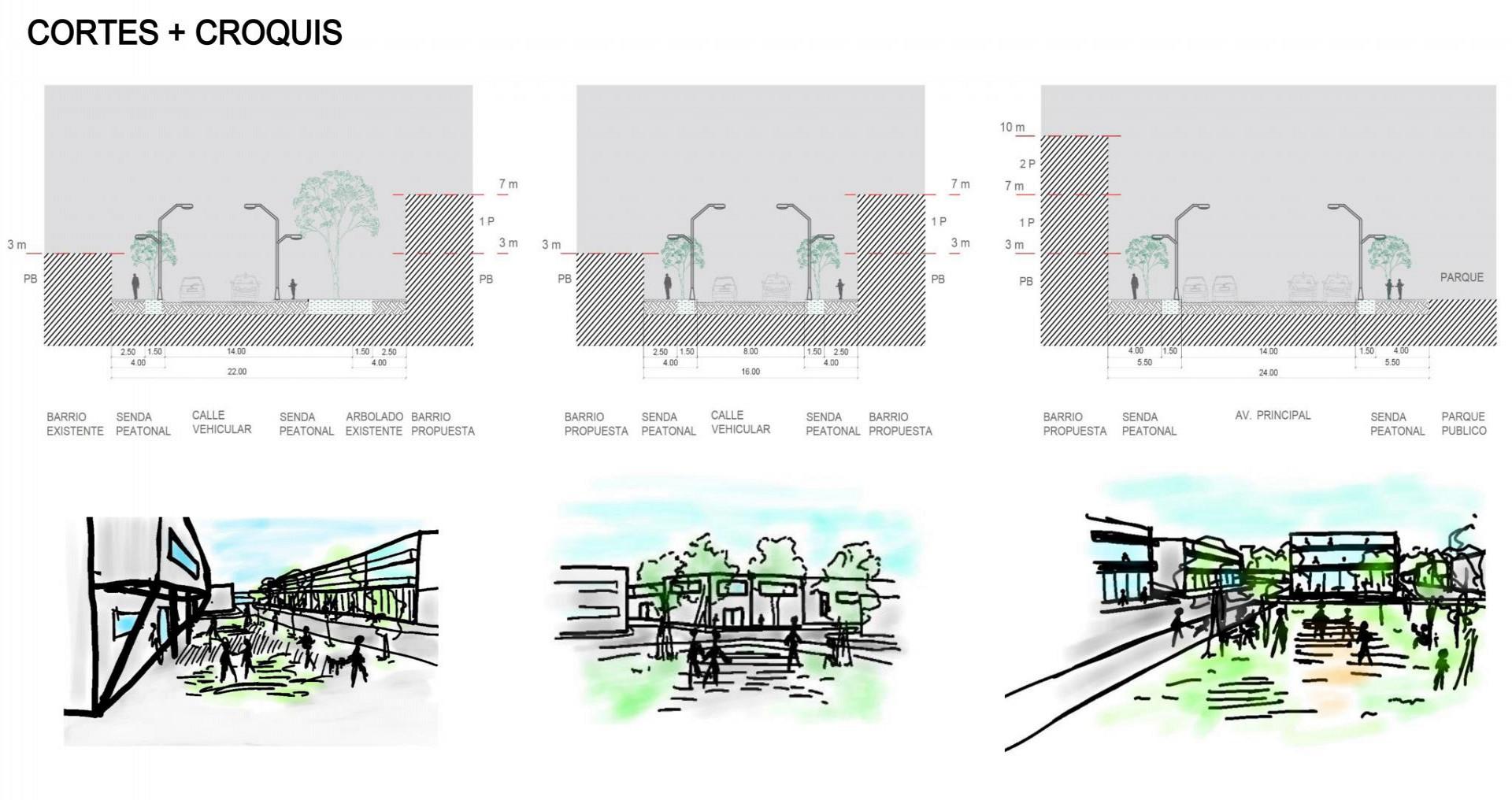
A neighborhood is proposed that leverages the existing tree cover on the site and continues the street grid of the surrounding neighborhoods. Since these grids do not align, a diagonal road will be introduced to act as a collector for vehicle entry and exit. This will discourage the use of vehicles for internal transportation within the neighborhood, prioritizing walkability while facilitating long-distance travel.
Linear perimeter parks will take advantage of the existing tree cover, and internal parks will be created along the diagonal under the concept of ensuring no residence is more than three blocks from a park.
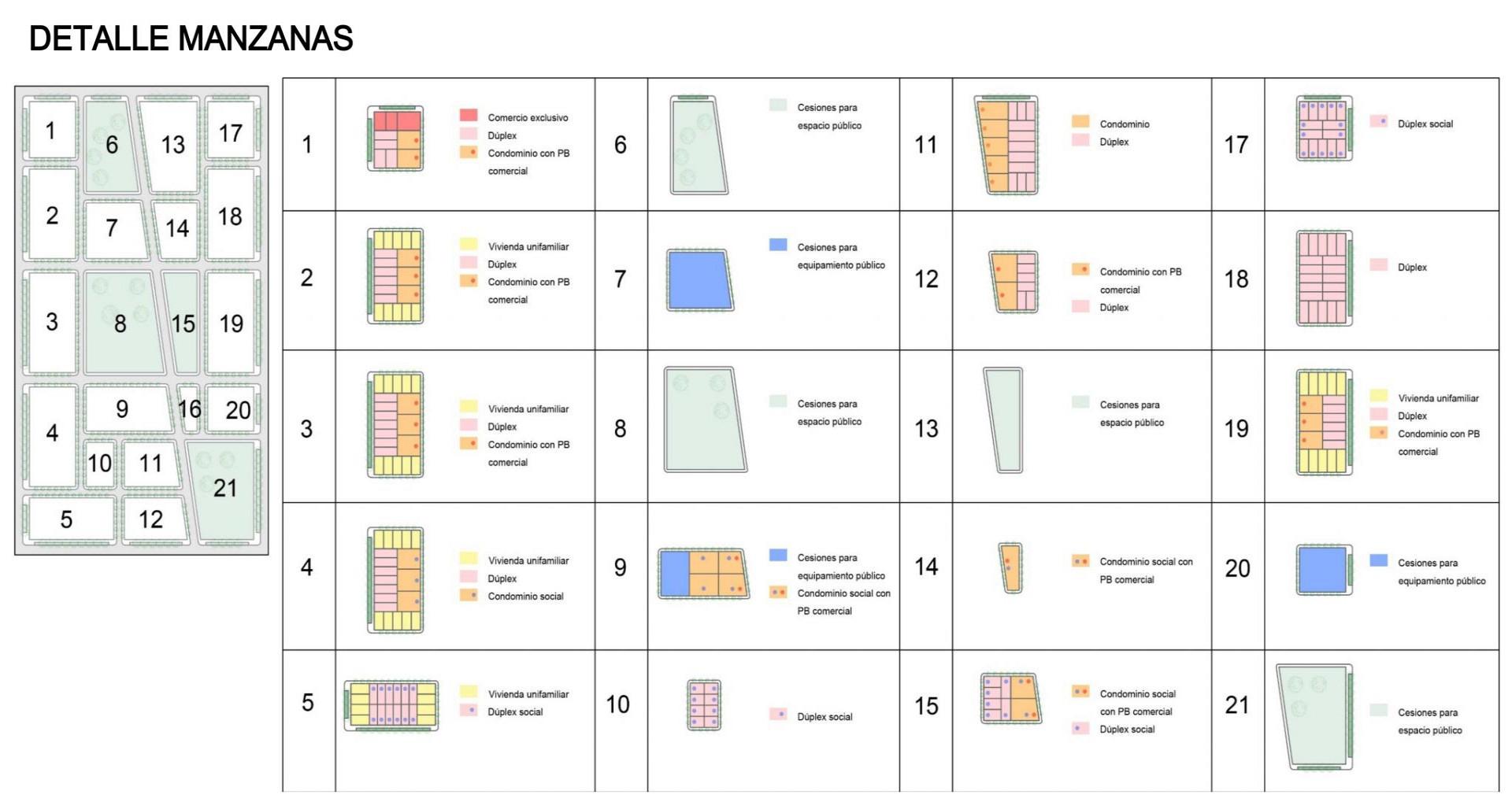
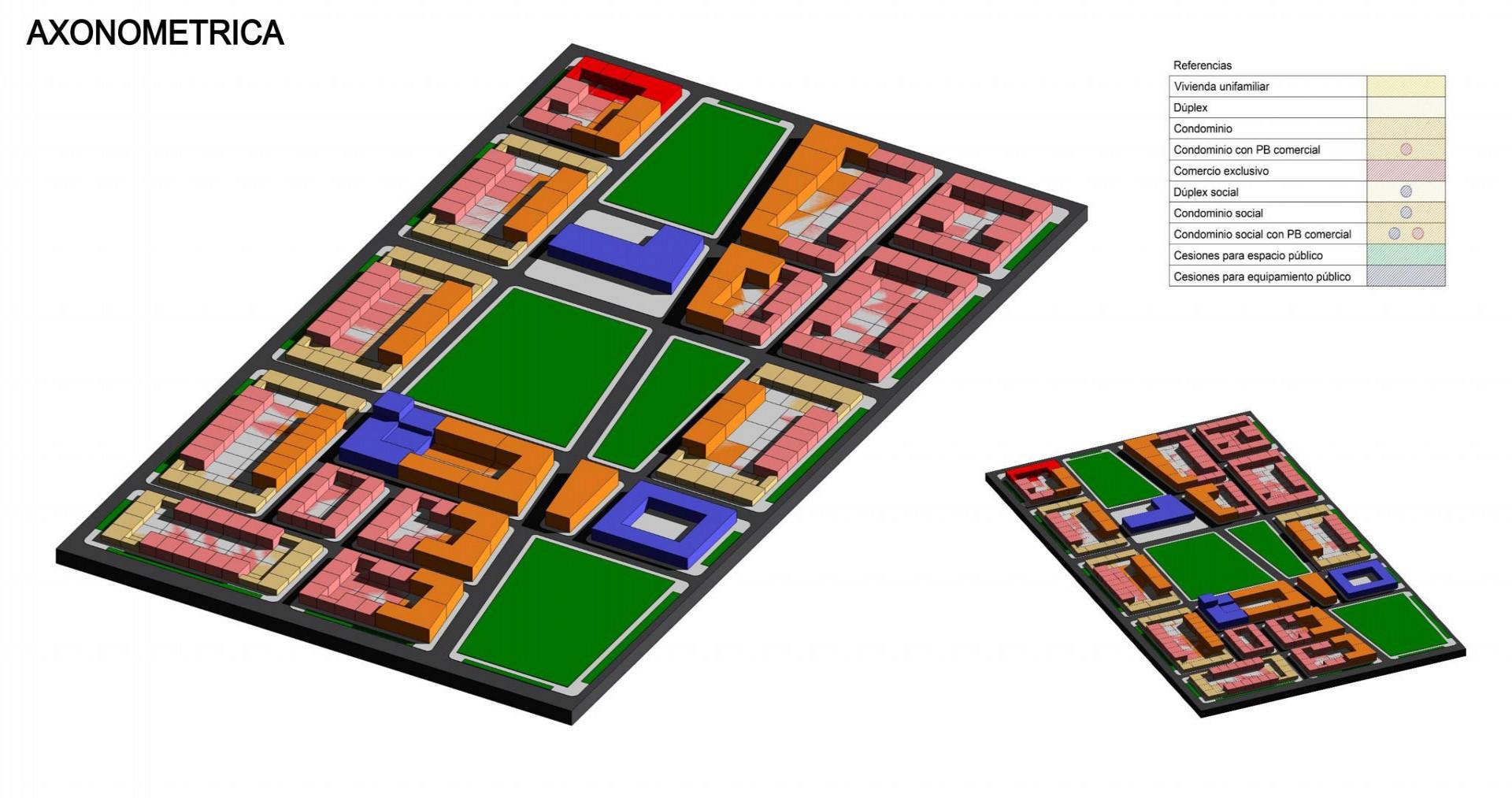
Social housing units will be grouped to reduce costs, with commercial spaces on the ground floor of buildings located along the diagonal. Similarly, N-S streets will also feature ground-floor commercial spaces. An additional commercial area will be developed near the highway, serving both the neighborhood and adjacent areas.
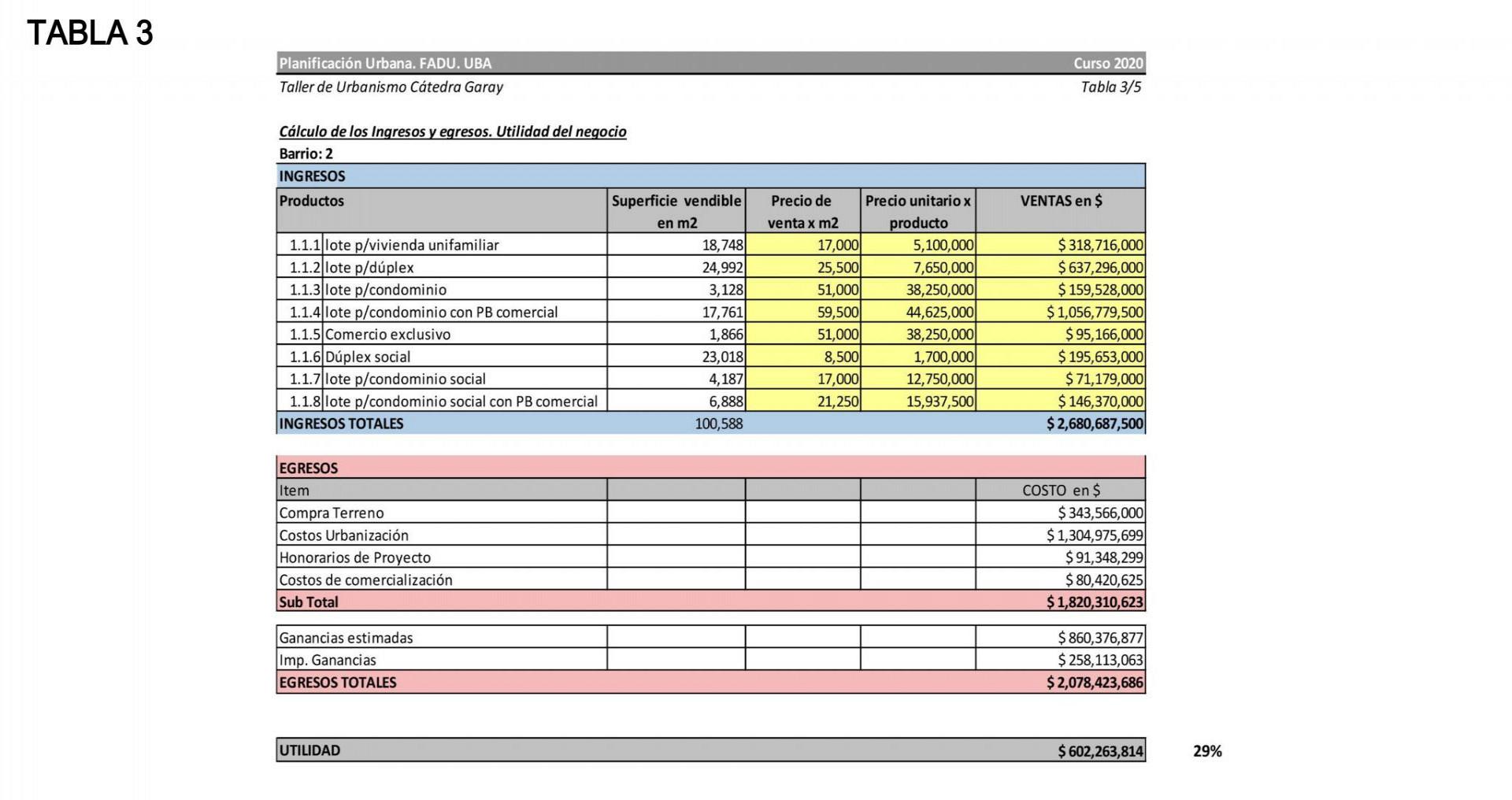
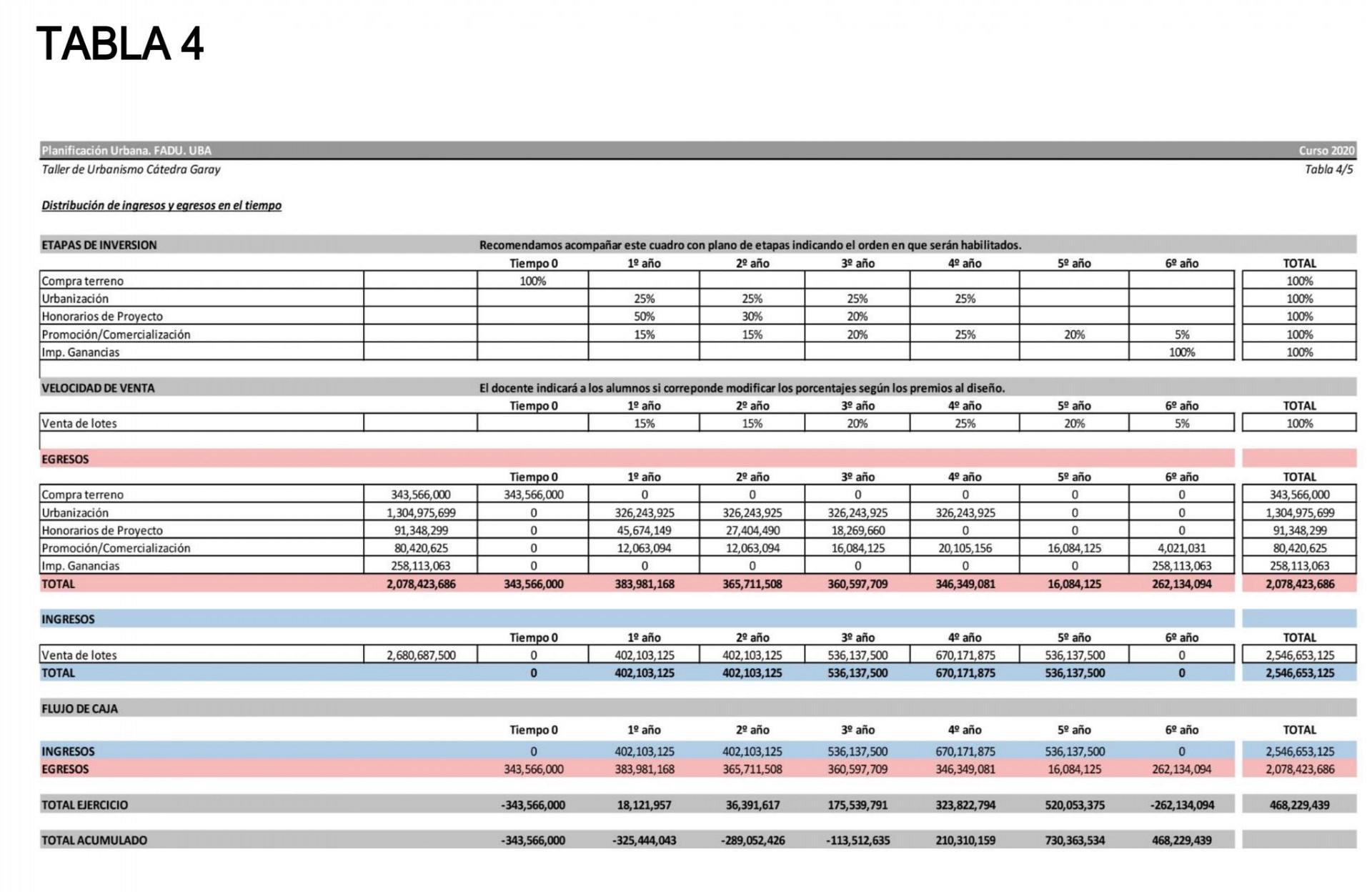
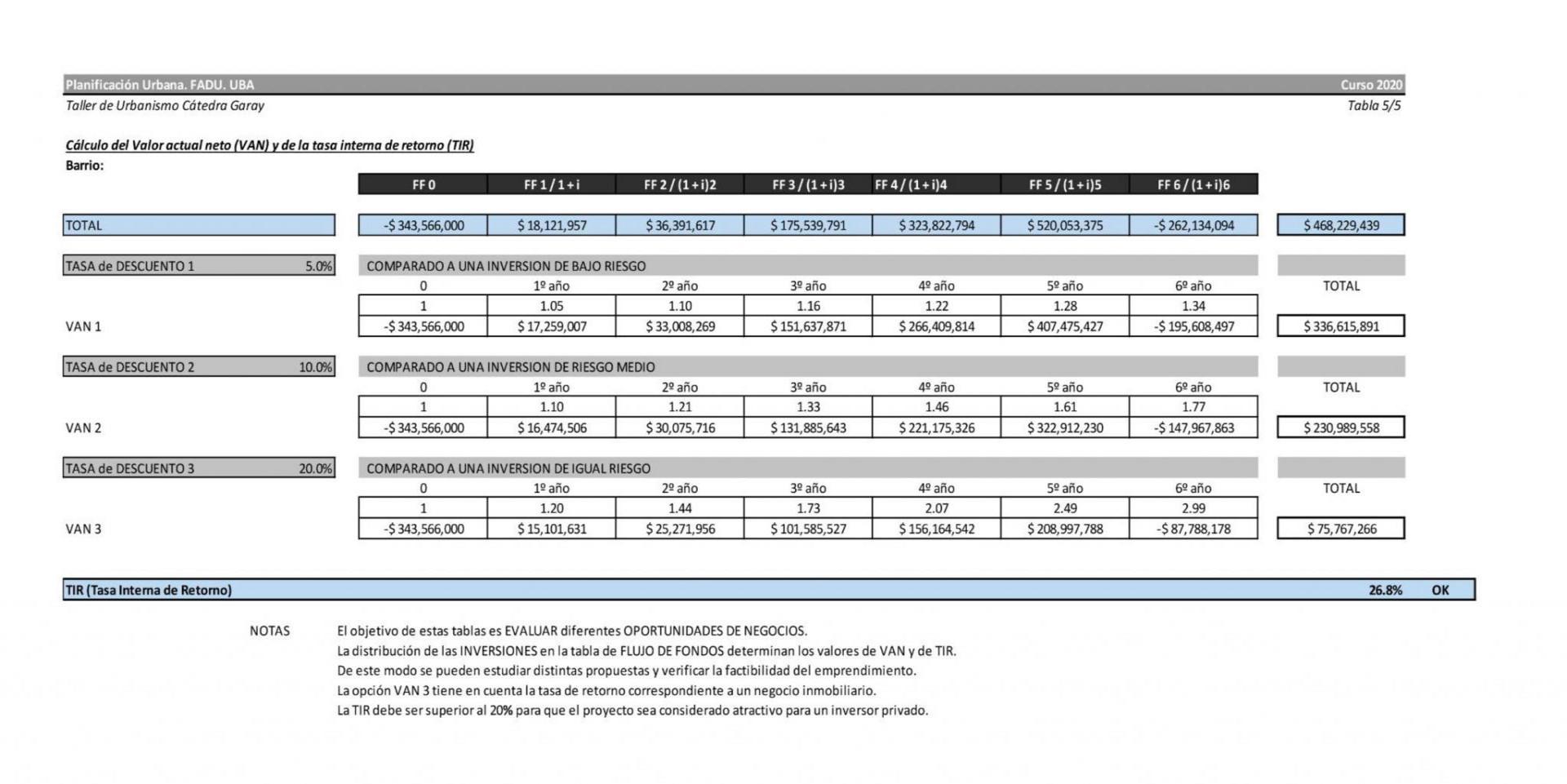
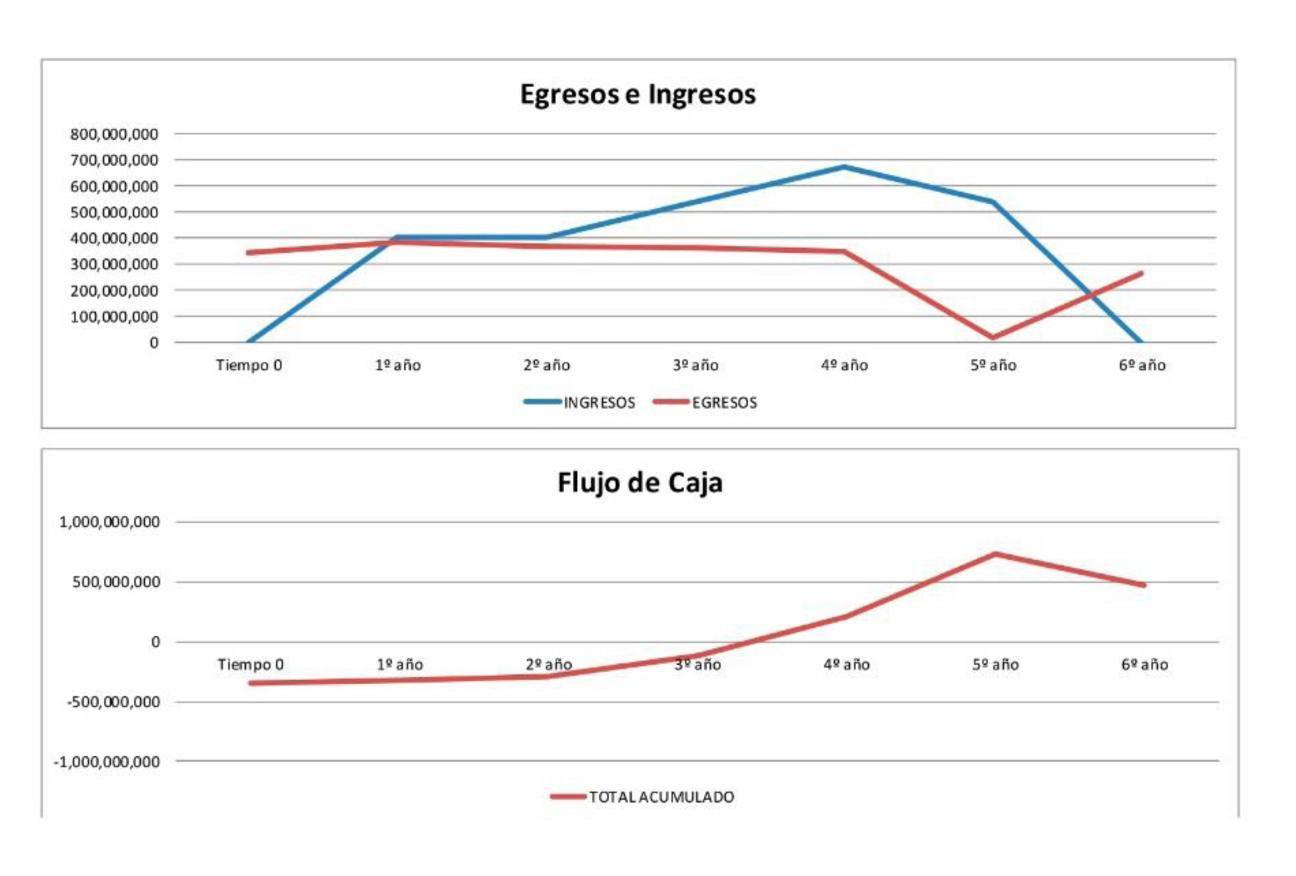
Profitability studies will be conducted to ensure the project achieves the required return of over 20%, aiming for nearly 30%.
About the project
Name:
Esteban Echeverría
Project Size:
225,750 m² (22.5 hectares)
Location:
Esteban Echeverría, Buenos Aires
Project Type:
Urban Project
Building Type:
Open Neighborhood
Studio:
Civitas Arquitectos
Concept
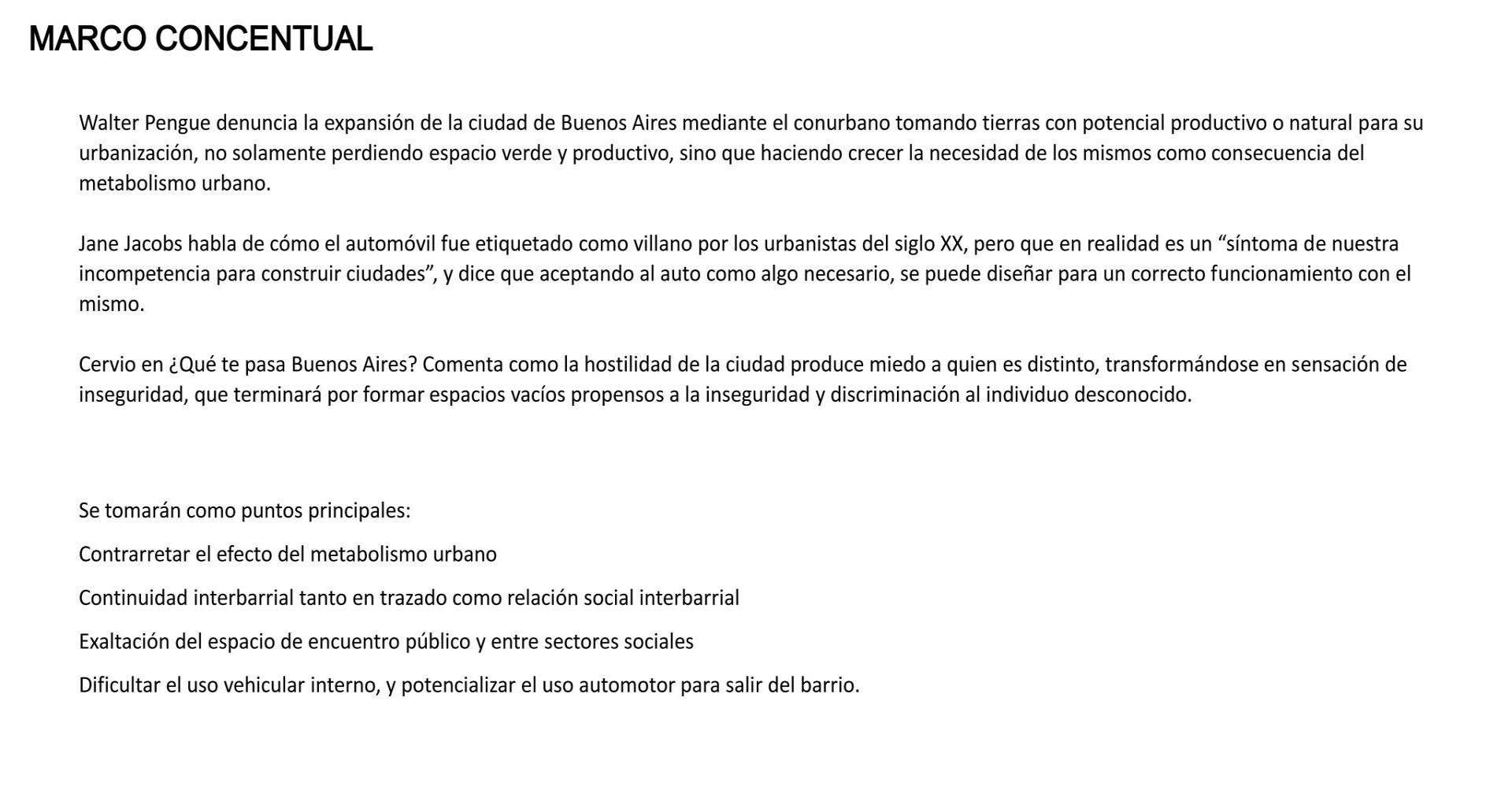
Walter Pengue criticizes the expansion of Buenos Aires into the surrounding suburbs, where productive or natural land is urbanized, not only losing green and productive space but also increasing the demand for these resources as a consequence of urban metabolism.
Jane Jacobs highlights how cars have been vilified by 20th-century urban planners. She argues that automobiles are a symptom of our inability to build functional cities and that by accepting their necessity, it is possible to design cities for their proper integration.
Cervio, in ¿Qué te pasa Buenos Aires?, comments on how the city’s hostility generates fear of those who are different, creating a sense of insecurity that eventually leads to empty spaces prone to actual insecurity and discrimination against unfamiliar individuals.
Galery